



In today’s dynamic business landscape, companies constantly seek innovative ways to expand their reach, connect with potential clients, and showcase their products or services. One such avenue that has stood the test of time is trade exhibitions.
In this article, we will delve into the world of trade shows and explore their vital role in the business arena.
But before we go any further let us have a clear understanding of the term “Trade Exhibitions”
What are Trade Exhibitions?
Trade exhibitions, commonly referred to as trade shows or expos, are events where businesses from a particular industry come together to display their products, services, and innovations. These events provide a platform for networking, marketing, and building brand visibility,source: Wikipedia
The Importance of Trade Exhibitions
Trade exhibitions play a crucial role in the business ecosystem by facilitating networking, knowledge sharing, and brand exposure. They provide a unique platform for businesses to showcase their products, gain insights, and drive growth, making them an essential component of industry development and success.
Here are the key aspects highlighting the importance of trade exhibitions:
1. Networking Opportunities
Trade exhibitions offer unparalleled networking opportunities. Businesses can connect with potential clients, partners, suppliers, and competitors. These interactions can lead to valuable collaborations and partnerships.
2. Market Research and Trends
Attending trade shows allows companies to stay updated on industry trends and innovations. It provides a firsthand look at what competitors are offering and what customers are looking for, aiding in strategic decision-making.
3. Brand Visibility and Promotion
Trade exhibitions are an excellent platform to enhance brand visibility. Booths and displays can be customized to leave a lasting impression on attendees. Effective branding can lead to increased recognition and customer trust.
4. Lead Generation
One of the primary goals of trade shows is lead generation. Companies can collect contact information from interested attendees, nurturing potential clients and boosting sales opportunities
How do trade shows help businesses?
Trade shows play a pivotal role in helping businesses thrive by providing them with a unique platform to showcase their products and services, network with industry peers, and generate valuable leads. Here are some key ways in which trade shows benefit businesses:
1. Networking and Relationship Building
One of the primary advantages of trade shows is their ability to facilitate networking and relationship building. Here’s how:
a. Connecting with Industry Professionals
Trade shows bring together professionals, experts, and decision-makers from within a specific industry or niche. Attendees have the opportunity to meet and engage with these key figures, creating valuable connections.
b. Building Partnerships and Collaborations
Trade shows provide an environment where businesses can explore partnerships, collaborations, and strategic alliances. Meeting potential partners in person allows for more meaningful discussions and negotiations.
c. Strengthening Existing Relationships
For businesses that already have industry contacts, trade shows offer a chance to strengthen existing relationships. Face-to-face interactions help reinforce trust and loyalty.
2. Market Research and Trends
Staying informed about industry trends and market developments is crucial for businesses to remain competitive. Trade shows serve as a knowledge hub in this regard:
a. Firsthand Access to Trends
Participating in trade shows allows businesses to gain firsthand access to the latest industry trends, innovations, and emerging technologies. This insight is invaluable for adapting to changing market dynamics.
b. Competitor Analysis
Companies can observe and analyze the strategies of their competitors at trade shows. By understanding what competitors are doing and how customers are responding, businesses can adjust their own approaches accordingly.
c. Customer Feedback
Engaging with attendees and potential customers provides an opportunity to gather direct feedback. Understanding customer preferences and pain points can inform product development and marketing strategies.
3. Showcasing Products and Services

Trade shows offer a platform for businesses to showcase their products and services to a targeted audience:
a. Eye-Catching Displays
Companies invest in booth displays, product demonstrations, and interactive presentations to capture attendees’ attention. Creative displays can effectively communicate a product’s features and benefits.
b. Brand Visibility
An impactful presence at a trade show enhances brand visibility. Attendees who interact with a well-branded booth are more likely to remember and recognize the company in the future.
c. Product Launches
Trade shows are often chosen as venues for launching new products or services. This creates anticipation and excitement among attendees, potentially leading to immediate sales.
4. Lead Generation and Sales Opportunities
Generating leads and converting them into customers is a primary goal for many businesses at trade shows:
a. Lead Capture
Trade shows provide an environment where businesses can efficiently collect contact information from attendees who express interest in their offerings. This data forms the basis for follow-up and lead nurturing.
b. Face-to-Face Interactions
In-person interactions allow businesses to establish personal connections with potential clients. Attendees can ask questions, seek clarification, and build trust, making them more likely to convert into customers.
c. Immediate Sales
Some trade show attendees come prepared to make purchases. Businesses can capitalize on this by offering exclusive discounts or promotions, driving immediate sales.
5. Exposure to a Targeted Audience
Trade shows are industry-specific, which means businesses have the opportunity to present their products or services to a highly targeted audience:
a. Qualified Attendees
Trade show attendees are often professionals and decision-makers within their respective industries. This means that businesses are more likely to interact with individuals who have the authority to make purchasing decisions.
b. Niche Markets
For businesses operating in niche markets, trade shows provide access to a concentrated group of potential clients who are specifically interested in their offerings.
6. International Expansion
For businesses looking to expand internationally, trade shows offer a convenient entry point:
a. Global Reach
Many trade shows attract international attendees and exhibitors, providing a platform for businesses to connect with potential partners and clients from around the world.
b. Testing New Markets
Trade shows allow companies to test the waters in new markets without committing to a permanent presence. It’s a low-risk way to assess market demand and viability.
7. Strengthening Brand Reputation
A strong presence at trade shows can enhance a company’s brand reputation:
a. Professionalism
Participating in trade shows signals professionalism and commitment to the industry, which can boost a company’s image.
b. Demonstrating Expertise
Through presentations, demonstrations, and interactions, businesses can demonstrate their expertise and thought leadership within their field.
Trade shows offer multifaceted benefits to businesses. From networking and market research to lead generation and international expansion, these events provide opportunities for growth, visibility, and success in the competitive business landscape.
By strategically participating in trade shows, businesses can leverage these advantages to achieve their goals and thrive in their respective industries.
How to Successfully Promote Your Product at a Trade Show?
Trade shows are fantastic opportunities for businesses to showcase their products, network with potential clients, and generate leads. However, with numerous competitors vying for attention, it’s crucial to have a well-thought-out strategy to stand out and leave a lasting impression.
Here is a list of key steps you must follow to promote your product at a trade show and maximize your return on investment.
Understanding Your Audience
Before diving into the whirlwind of a trade show, take the time to understand your target audience. Conduct thorough market research to identify their needs, preferences, and pain points. This knowledge will help you tailor your promotional efforts to resonate with potential customers.
Creating a Compelling Booth Design

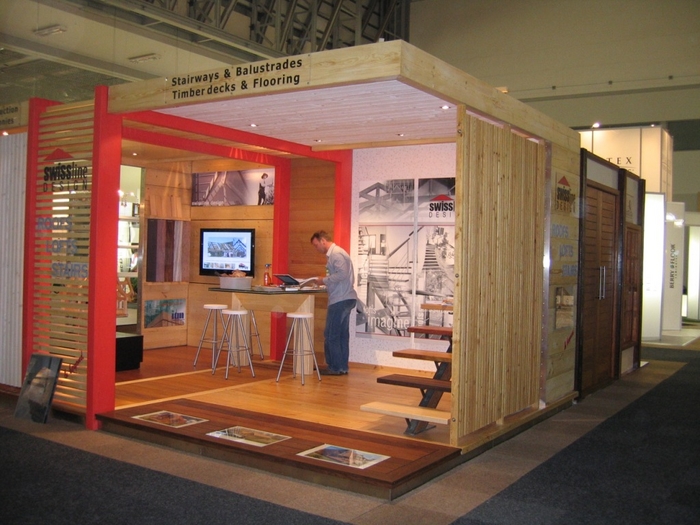
Your booth is the first thing attendees will notice. Make it visually appealing and in line with your brand identity. Use eye-catching graphics, banners, and signage to draw people in. A well-designed booth can pique curiosity and encourage visitors to learn more about your product.
Engaging Product Demonstrations
Live demonstrations can be incredibly effective in capturing the attention of trade show attendees. Showcase how your product works, highlighting its unique features and benefits. Interactive demonstrations provide a hands-on experience, leaving a lasting impression on potential customers.
Utilizing Technology
Incorporate technology into your booth to create an immersive experience. Consider using tablets, touchscreens, or virtual reality to engage visitors. These interactive elements can provide in-depth product information and keep attendees engaged.
Offering Exclusive Discounts
Everyone loves a good deal. Provide exclusive discounts or promotions for trade show attendees. This not only incentivizes immediate purchases but also creates a sense of urgency, driving potential customers to take action.
Networking and Building Relationships
Trade shows are not just about selling; they’re about building relationships. Networking is a crucial aspect of trade show success.
Engage in Meaningful Conversations
Train your staff to engage in meaningful conversations with attendees. Listen to their needs, answer questions, and offer solutions. Building a rapport can lead to long-term customer relationships.
Collecting Contact Information
Set up a lead capture system to collect contact information from interested attendees. This allows you to follow up after the trade show, nurturing leads and converting them into customers.
Post-Show Follow-Up
Your efforts shouldn’t end when the trade show does. Follow up with the leads you’ve collected promptly.
Send Personalized Thank-You Emails
Thank attendees for visiting your booth and expressing your interest in serving their needs. Personalized emails go a long way in making potential customers feel valued.
Provide Additional Information
Share more details about your product, including case studies, testimonials, and success stories. Address any lingering questions or concerns that attendees may have.
Promoting a product at a trade show requires careful planning and execution. Understanding your audience, creating an engaging booth design, utilizing technology, offering discounts, and building relationships through networking are key strategies for success. Additionally, post-show follow-up is essential to converting leads into customers.
Remember, trade shows are not just about selling products; they’re about creating lasting connections and fostering trust. By implementing these strategies, you can make the most out of your trade show experience and achieve your business goals.
12 Tips for Designing Your Trade Show Booth Layout in 2023 and Beyond
In the competitive world of trade shows, where hundreds of exhibitors vie for the attention of attendees, designing a standout trade show booth is crucial.
A poorly designed trade show booth can have significant disadvantages.
Firstly, it fails to attract the attention of attendees, resulting in lower foot traffic and missed networking opportunities. Secondly, it hampers brand visibility and credibility, as it may convey a lack of professionalism and investment.
There are so many negative effects, but the truth is, this is not what you want or wish to happen for your business.
Follow the tips below to design a standout trade show booth and position your brand for success.
1. Choosing the Right Space
Location matters. Select a spot that receives high foot traffic and is in proximity to complementary businesses or industry influencers. A well-placed booth can significantly impact your visibility.
2. Branding Your Booth

Your booth should be an extension of your brand. Use consistent colors, logos, and messaging to create a cohesive and memorable brand presence.
3. Use Engaging Displays
Visual appeal is critical. Invest in eye-catching displays that convey your message quickly and effectively. Interactive elements can also engage visitors and leave a lasting impression.
4. Technology Integration
Incorporate technology such as touchscreen displays, augmented reality, or virtual reality to create an immersive experience that sets you apart from the competition.
5. Lighting Matters
Proper lighting can draw attention to specific areas of your booth. Use it strategically to highlight key products or messages.
6. Effective Signage
Keep your signage clear and concise. Use compelling visuals and messaging that resonate with your target audience.
7. Promotional Materials
Create promotional materials that attendees will find valuable. Whether it’s brochures, samples, or branded merchandise, make sure they leave with something tangible.
8. Staff Training
Your booth staff should be well-prepared to engage with attendees. Provide training on product knowledge, effective communication, and lead-capture techniques.
9. Lead Capture Strategy
Have a seamless process in place for collecting leads. Utilize technology like lead scanning apps to streamline this process.
10. Networking
Don’t miss the opportunity to connect with fellow exhibitors and attendees. Networking can lead to valuable partnerships and insights.
11. Post-Event Follow-up
After the trade show, promptly follow up with leads and evaluate your performance against your goals. This step is often overlooked but is crucial for ROI.
12. Measuring Success
Finally, use metrics like lead conversion rates, booth traffic, and social media engagement to assess the success of your booth. Use this data to improve your strategy for future trade shows.
Designing a standout trade show booth offers several advantages. Firstly, it grabs the attention of attendees, increasing foot traffic and potential leads. Secondly, a well-designed booth enhances engagement, resulting in more meaningful interactions and better chances of converting attendees into customers or partners.
By following the tips above, you can create a booth that not only grabs attention but also delivers measurable results. Remember, a well-designed booth is an investment in your brand’s success.
10 Unique Trade Show Secrets That Will Boost Your Success at an Expo
In today’s competitive business landscape, attending expos and trade shows has become a crucial strategy for companies looking to expand their reach, network, and showcase their products or services. However, achieving success at expos requires more than just showing up.
There are steps to follow in order to achieve success at the trade expo. Some win and some lose at a trade show and lucky enough you landed on this page.
Today we will show you the unique trade show secrets that will guarantee you success at your next event.
1. Setting Clear Objectives
To succeed at expos, you must establish clear objectives. Are you looking to generate leads, make direct sales, or increase brand awareness? Setting measurable goals will help you tailor your expo strategy to achieve specific outcomes.
2. Choosing the Right Expo
Not all expos are created equal. Research and select expos that align with your industry and target audience. Consider factors like location, attendee demographics, and the reputation of the event.
3. Designing an Eye-catching Booth

Your booth is your business’s face at the expo. Invest in an eye-catching booth design that reflects your brand identity and captivates attendees’ attention.
4. Engaging Attendees Before the Expo
Create a pre-event buzz by promoting your participation through email marketing, social media teasers, and personalized invitations. Generate curiosity and excitement among potential attendees.
5. Leveraging Social Media
Harness the power of social media to reach a wider audience. Create event-specific hashtags, share behind-the-scenes glimpses, and engage with your followers to foster anticipation.
6. Training Your Expo Team
Your booth staff should be knowledgeable, approachable, and well-trained. Provide them with the information and tools they need to represent your brand effectively.
7. Creating an Interactive Experience
Make your booth interactive by incorporating demonstrations, giveaways, or interactive activities. Engage attendees and leave a lasting impression.
8. Collecting Quality Leads
Implement a lead collection system to gather contact information from interested attendees. Ensure your leads are qualified and have a genuine interest in your products or services.
9. Effective Follow-up Post Expo
The work doesn’t end when the expo closes its doors. Follow up promptly with leads, send personalized thank-you emails, and nurture relationships with potential clients.
10. Measuring ROI
Evaluate your expo performance by analyzing metrics like lead conversion rates, sales generated, and brand exposure. Determine the return on investment (ROI) to gauge your success.
11. Building Long-Term Relationships
Expo success isn’t just about one-time gains. Focus on building long-term relationships with clients and industry contacts to secure future business opportunities.
12. Handling Challenges Gracefully
Expos can be unpredictable. Be prepared to handle challenges like technical issues, unexpected competition, or a slow footfall with professionalism and adaptability.
13. Incorporating Feedback for Improvement
After each expo, gather feedback from your team and attendees. Use this feedback to fine-tune your strategy for future events.
What is an online trade show?
Online trade shows, often referred to as virtual trade shows or e-trade shows, are events conducted entirely on the Internet.
Actually, they are digital events that replicate the experience of traditional trade shows in a virtual setting. These events bring together businesses, exhibitors, and attendees in a virtual environment, providing a platform for networking, product promotion, and knowledge exchange.
In today’s digital age, the way we conduct business and connect with customers has evolved significantly. One such evolution is the concept of online trade shows. These virtual events have gained immense popularity in recent years, reshaping the landscape of business exhibitions and networking opportunities.
What is the main benefit of a virtual trade show?
The main benefit of a virtual trade show is its ability to provide a cost-effective and convenient platform for businesses to showcase their products and services to a global audience. Unlike traditional physical trade shows, virtual trade shows eliminate the need for travel, accommodation, and booth setup expenses, making them more budget-friendly.
Additionally, participants can join these events from the comfort of their homes or offices, saving time and resources. This convenience and accessibility not only reduce costs but also increase the reach of businesses, allowing them to connect with a broader audience and explore new markets.
How to do an online exhibition?
Organizing an online exhibition, also known as a virtual trade show or e-trade show, involves several key steps to ensure its success.
Here’s a step-by-step guide on how to do an online exhibition:
Define Your Objectives
Determine the specific goals of your online exhibition. Are you looking to generate leads, launch a new product, build brand awareness, or educate your audience? Clear objectives will guide your planning.
Select a Virtual Platform
Choose a dedicated virtual exhibition platform that suits your needs. Look for features like virtual booths, live chat, webinars, and analytics. Popular platforms include Zoom, Hopin, and Vfairs.
Design Your Virtual Booths
Create visually appealing virtual booths for exhibitors. These digital spaces should effectively convey their brand message and showcase their products or services. Consider using multimedia elements like videos and interactive displays.
Marketing and Promotion
Promote your online exhibition well in advance. Use email marketing, social media, and other digital channels to reach your target audience. Provide clear information on how attendees can register or access the event.
Engage Speakers and Exhibitors
Collaborate with industry experts and exhibitors who will participate in the exhibition. Ensure they have the necessary resources and materials ready for their virtual booths and presentations.
Prepare Content and Presentations
Create engaging content for your virtual exhibition, including webinars, seminars, workshops, and product demos. Ensure that all presentations are well-rehearsed and suited for the online format.
Test Technical Infrastructure
Conduct thorough testing of the virtual platform and exhibitors’ booths to ensure a smooth user experience. Check for any technical issues related to video quality, sound, and connectivity.
Facilitate Networking Opportunities
Enable attendees to network with exhibitors and other participants. Incorporate features like live chat, one-on-one video calls, and discussion forums to foster interactions.
Provide Customer Support
Offer customer support throughout the event to address any technical or logistical issues that attendees or exhibitors may encounter. Ensure there is a helpdesk or chat support available.
Track and Analyze Performance
Utilize analytics tools provided by the platform to track attendee engagement, booth visits, and other key metrics. This data will help you measure the success of the online exhibition.
Follow-up and Lead Generation
After the event, follow up with attendees and exhibitors to nurture leads and gather feedback. This step is crucial for building long-term relationships and improving future exhibitions.
Evaluate and Iterate
Conduct a post-event evaluation to assess what worked well and what could be improved. Use this feedback to make adjustments for future online exhibitions.
Consider Hybrid Events
As the virtual event landscape evolves, consider incorporating hybrid elements by combining physical and virtual components for a more diverse audience.
By following these steps and carefully planning your online exhibition, you can create a successful and engaging virtual event that achieves your goals and provides value to both exhibitors and attendees.
Best Virtual Exhibitions Platform [ Expoonline SA]
At Expoonline we offer a Virtual Exhibition platform for specialized trade shows and exhibitions in South Africa. We welcome exhibitors from across the world, Africa, and South Africa to exhibit with us.
Our goal is to connect businesses (our exhibitors) with new customers (our visiting browsers). Our Exhibitions South Africa Platform is open 24/7 all year round for our visitor’s convenience.
We have different Expo categories allowing businesses to exhibit their products in line with their niche market.
We have Expo categories in Agri and Forestry, Business Services, Construction, Mining, Industrial, and many more.
Click Exhibit with us to register your company or contact us today at +2721 854 4700 to speak with our exhibition experts.
Conclusion
Trade exhibitions play a pivotal role in the business world, serving as dynamic platforms for networking, product promotion, and industry advancement.
The importance of trade exhibitions cannot be overstated. They provide businesses with unparalleled opportunities to connect with potential clients, gain exposure, and stay updated on industry trends and innovations.
Trade shows help businesses by offering a direct avenue for lead generation, enabling face-to-face interactions with potential customers, and facilitating market research to understand consumer needs better.
To successfully promote your product at a trade show, it’s crucial to have a well-thought-out booth layout and incorporate unique strategies that set you apart from competitors.
Designing your trade show booth layout should focus on attracting visitors, creating engaging displays, and ensuring your brand message is clear and compelling.
Unique trade show secrets, such as interactive presentations and giveaways, can significantly boost your success at an expo by capturing attendee attention and leaving a lasting impression.
In this digital age, online trade shows have emerged as a valuable addition to the trade exhibition landscape. The main benefit of virtual trade shows is their cost-effectiveness and global reach, making them accessible and convenient for businesses and attendees alike.
Organizing an online exhibition involves careful planning, platform selection, content preparation, and post-event follow-up to ensure a seamless and engaging experience.
In essence, trade exhibitions, whether physical or virtual, remain essential for businesses looking to thrive in the competitive marketplace, offering a unique avenue for growth, networking, and innovation.
So do not be left behind, maximise your brand exposure through a trade show today.
Contact us at Expoonline SA, we will assist you with a virtual exhibition.
Subscribe to our email newsletter to receive the latest trending articles